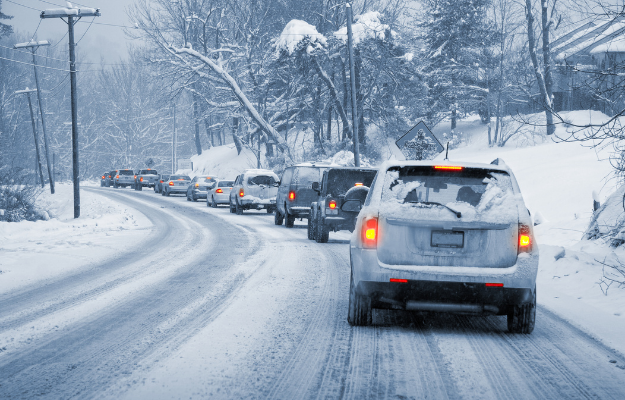
(GLASTONBURY, CT) — Winter driving in Connecticut has a direct and measurable impact on auto insurance claims, especially in areas like Glastonbury where commuters regularly travel on a mix of suburban roads, highways, and rural connectors. Snow, ice, and rapidly changing road conditions all contribute to a higher frequency of accidents during the colder months.
One of the most common claim types during winter is rear-end collisions. Slippery roads increase stopping distance, and even cautious drivers can find themselves unable to avoid sudden slowdowns. Black ice is particularly dangerous because it is often invisible until a vehicle begins to lose traction.
Another frequent issue is single-vehicle accidents. These include sliding off the road, hitting guardrails, or losing control on curves or inclines. While these incidents may seem minor, they can still result in significant repair costs and insurance claims.
Winter weather also increases the likelihood of comprehensive claims. Falling ice, snow-covered branches, and storm-related debris can all cause vehicle damage while parked or in motion. These claims often occur even when drivers are not actively on the road.
In Connecticut, winter driving conditions also influence insurance pricing over time. Increased claim frequency in colder months contributes to overall risk assessments used by carriers when determining premiums and underwriting guidelines.
For drivers in Glastonbury, preparation and awareness are key. Proper vehicle maintenance, appropriate tires, and cautious driving habits all play a role in reducing claim risk during winter months.
Ultimately, winter driving is not just a seasonal inconvenience. It is a major factor in how auto insurance risk is evaluated across Connecticut.
Disclaimer: The information provided in this article is for general informational and educational purposes only and is not intended to constitute insurance, legal, tax, or financial advice. Coverage descriptions are general in nature and may not apply to all individuals or situations. Insurance policies vary by carrier, endorsements, and individual underwriting requirements, and actual coverage is determined solely by the terms, conditions, exclusions, and limitations of the specific policy issued. Readers should not rely on this content as a substitute for consultation with a licensed insurance professional regarding their specific circumstances. Coverage needs, liability limits, and policy structures should be reviewed regularly with a qualified advisor to ensure they align with current assets, risks, and lifestyle changes. Wheeler and Taylor Insurance does not guarantee coverage, eligibility, or claims outcomes based on the information presented in this article. All insurance decisions should be made after reviewing your policy details and speaking directly with a licensed insurance representative.
Copyright © 2026 All rights reserved

